
Choosing the right care home for a loved one is one of the most emotional and challenging decisions many families will ever face.
It often happens during a difficult period, following a hospital stay, a change in health, or the growing realisation that caring at home is no longer sustainable. Alongside practical considerations, there can be guilt, worry, and the fear of making the wrong choice.
If you’re feeling overwhelmed, you’re not alone, and you don’t need to have all the answers right away. This choosing the right care home guide is designed to help you feel more confident by breaking the process into clear, manageable steps.
For many families, choosing a care home isn’t something they’ve planned for.
Suddenly, you’re expected to make important decisions while feeling emotional, tired, and unsure where to begin.
A helpful place to start is by focusing on a few simple steps:
🟢 Pause and breathe. You don’t need to decide everything at once.
🟢 Understand the type of care needed – residential, nursing, dementia, or respite.
🟢 Create a short list of homes in your local area rather than trying to research them all.
🟢 Arrange visits where possible. A website can’t replace how a place feels in person.
🟢 Bring someone with you for support and a second perspective.
There’s no perfect route through this process. Taking time to ask questions and seek guidance is a sign of care, not uncertainty.

We all know first impressions matter.
When you visit a care home, take a moment to notice how it feels as soon as you arrive:
🟢 Are you welcomed warmly?
🟢 Are staff attentive and kind in their interactions with residents?
🟢 Does the environment feel calm, clean, and well-maintained?
Trust your instincts. While a care home can never replace someone’s own home, it should feel like the next best thing, a place where people feel safe, comfortable, and genuinely cared for.
The right care home feels human. A place where residents become housemates, where everyday connections are encouraged, and where people support one another, share moments, and enjoy life together, rather than feeling rushed or treated clinically.
There isn’t one ‘right’ care home for everyone, but there is the right one for your loved one.
Taking the time to ask questions, visit in person, and trust your instincts is one of the most caring things you can do. And if the process feels emotional or overwhelming, that’s completely normal; it’s a big leap, no one wants to take.
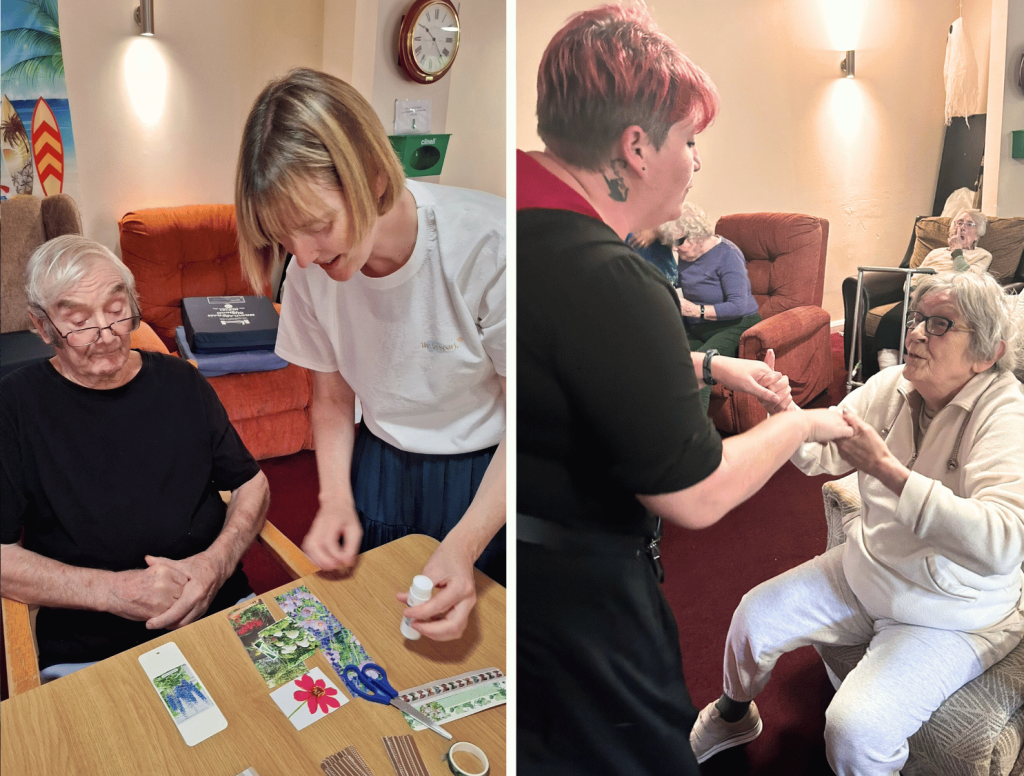
Every person moving into a care home brings with them a lifetime of routines, preferences, habits, and experiences. Good care doesn’t start with a checklist, it starts with truly understanding the person.
When you’re visiting a care home, it’s important to look beyond what’s said and explore how personalised care actually works in practice.
Helpful questions to ask include:
🟢 How does the team get to know each resident as an individual?
🟢 Are care plans tailored to the person, and how often are they reviewed?
🟢 Are residents supported to make choices about their day, such as when they wake up, what they eat, or whether they join in with activities?
🟢 Is flexibility encouraged, rather than everyone following the same schedule?
Personalised care is about dignity, respect, and helping people feel like themselves, not simply meeting basic needs. When care is truly personal, residents feel valued, listened to, and safe, which makes a real difference to their wellbeing and quality of life.

Buildings and facilities are important, but the people providing the care make the greatest difference.
When visiting, observe:
🟢 Do staff seem relaxed, attentive, and engaged?
🟢 Are residents spoken to with warmth and patience?
🟢 Is there a sense of familiarity between staff and residents?
Ask the questions:
🟢 Staff training and experience
🟢 Team consistency
🟢 How staff are supported in their roles
A well-supported team is far more likely to deliver compassionate, consistent care.
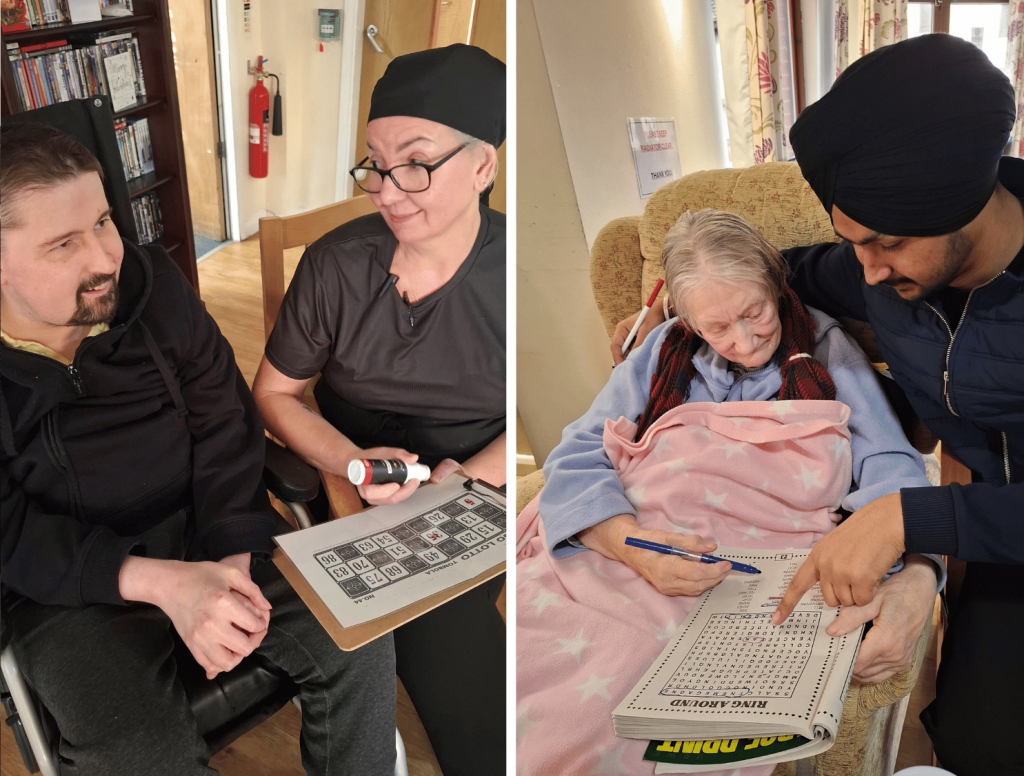
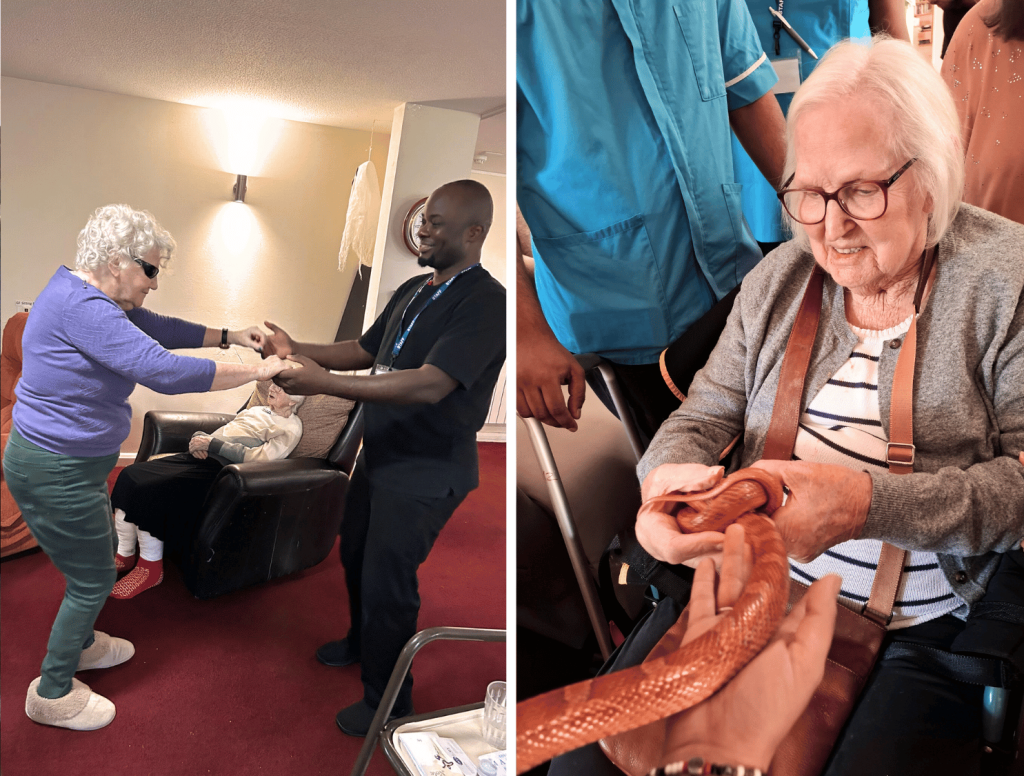
Quality of life is so important at every stage of life.
A good care home supports emotional and social well-being just as much as physical care. Daily life should feel meaningful, not repetitive, and residents should be supported to enjoy their time in ways that suit them.
When exploring a care home, it’s helpful to ask about:
🟢 The range and variety of activities available
🟢 Opportunities for gentle movement, creativity, or reminiscence
🟢 One-to-one time for residents who prefer quieter moments
🟢 How residents who choose not to join in are still included and valued
🟢 How residents who are bed-bound are supported to feel connected and involved
In a thoughtful care home, inclusion doesn’t mean forcing participation. It might look like a resident enjoying a one-to-one chat, listening to music they love, taking part from their room, or simply being present and acknowledged. For residents who are bed-bound, meaningful engagement could include sensory activities, conversation, music, reading, or visits from familiar faces, all delivered with dignity and care.
Life in a care home should include enjoyment, purpose, connection, and those small, meaningful moments of fun that make each day feel different.
Good communication is key to building trust, confidence, and peace of mind.
When choosing the right care home, it’s important to understand how the care team keeps families informed and involved. Clear, open communication helps you feel reassured that your loved one is being well cared for, even when you’re not there.
Things to consider include:
🟢 How the home keeps families updated
🟢 Whether questions and concerns are welcomed and responded to
🟢 Who’s your main point of contact?
🟢 How changes in health, well-being, or care are shared
🟢 Visiting arrangements and how visits are organised
You may notice that some care homes encourage visits outside of mealtimes. This is often done thoughtfully, to protect residents’ dignity and enjoyment of their meals, allowing them to eat calmly and without interruption. A good home will always explain this clearly and work with families to find visiting times that suit everyone.
Above all, you should feel listened to, supported, and informed, not anxious or unsure.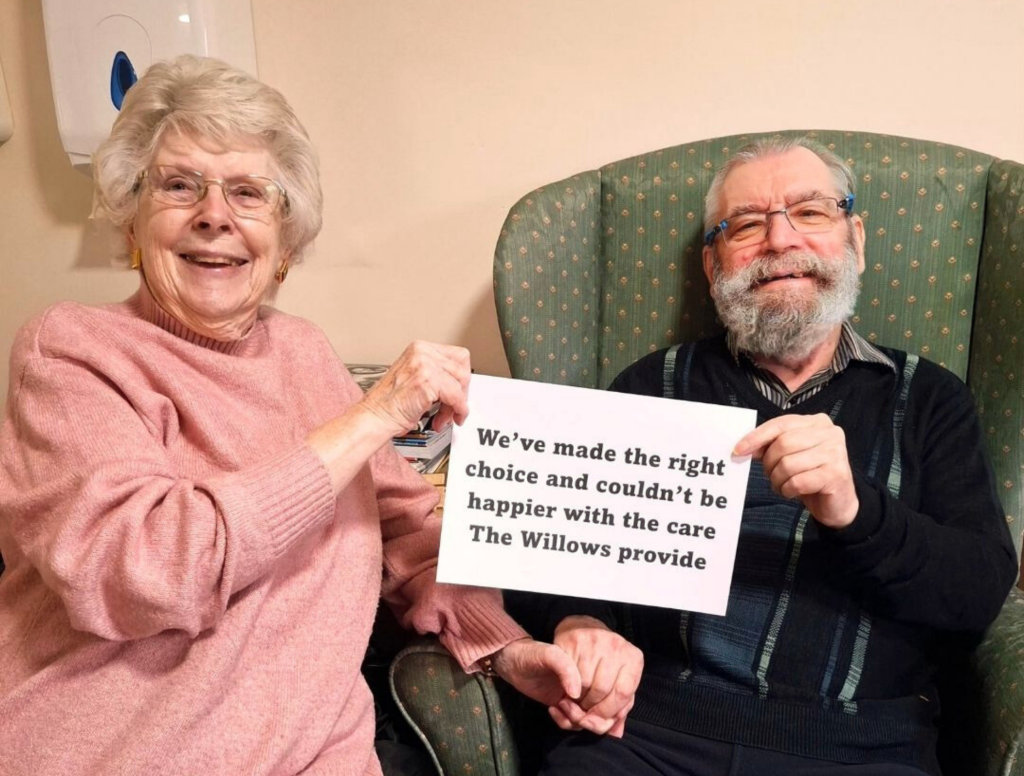
For additional reassurance, families may find it helpful to visit the Care Quality Commission (CQC) website.
The CQC is the independent regulator of health and social care in England and provides inspection reports and guidance to help families understand what quality care looks like and how care homes are assessed.
You can explore their guidance here:
👉 https://www.cqc.org.uk/what-we-do/services-we-regulate/find-care-home
All the photos are from life at our care home. If you would like to find out more information on The Willows in Shepshed contact us HERE.